
CODEX 1.2
Please make your selection from the above CODEX menu options for Episode 1.2
KEY-TEXT A
dē Marcō Sextōque
quis est Marcus? 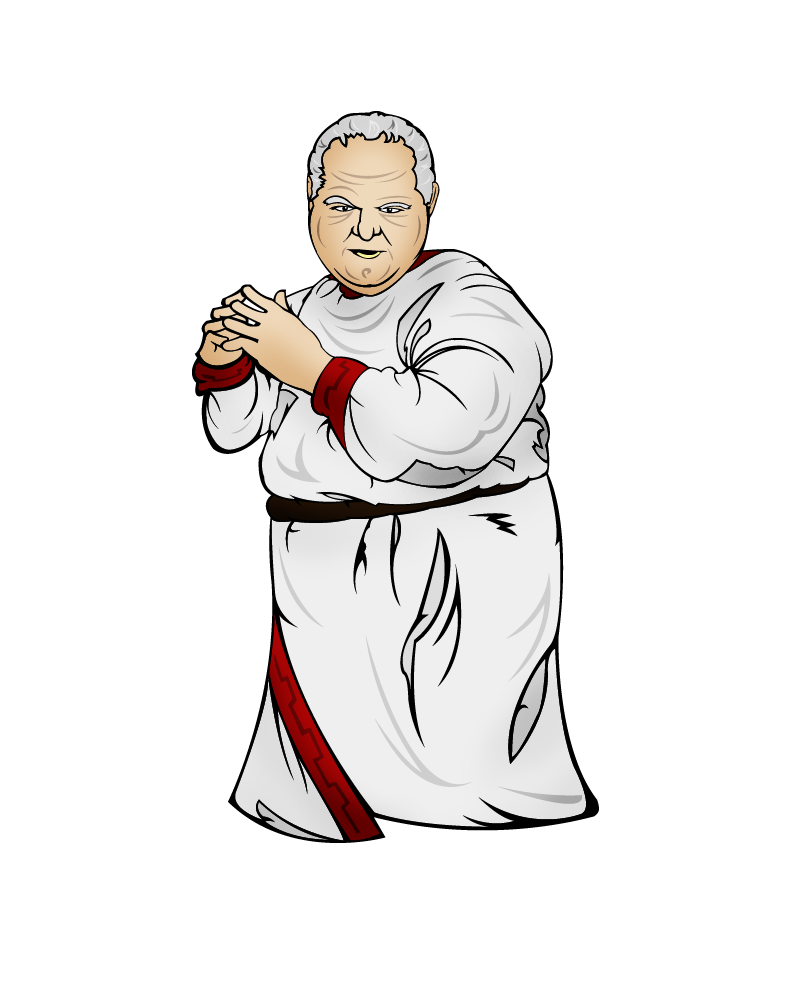
Marcus Maecēnās est vir nōtus. Marcus in vīllā Pompēiīs habitat. vīlla est māgna et māgnifica.
Marcus multam pecūniam in vīllā habet. Marcus est dīves! Marcus quoque multōs amīcōs habet. ille quoque multam potentiam habet. Marcus tamen plūs pecūniae vult. Marcus quoque plūs potentiae vult.
Marcus Maecēnās quoque est senex. Marcus multōs annōs habet. Marcus paucōs capillōs habet. Marcus est paene calvus! Marcus saepe togam candidam gerit.
ille quoque Societātem Potentium dūcit. Marcus est dūx clārus. Societās Potentium Lapidem cupit.
Sextus Marcō nōn placet. Sextus est inimīcus.
quis est Sextus? 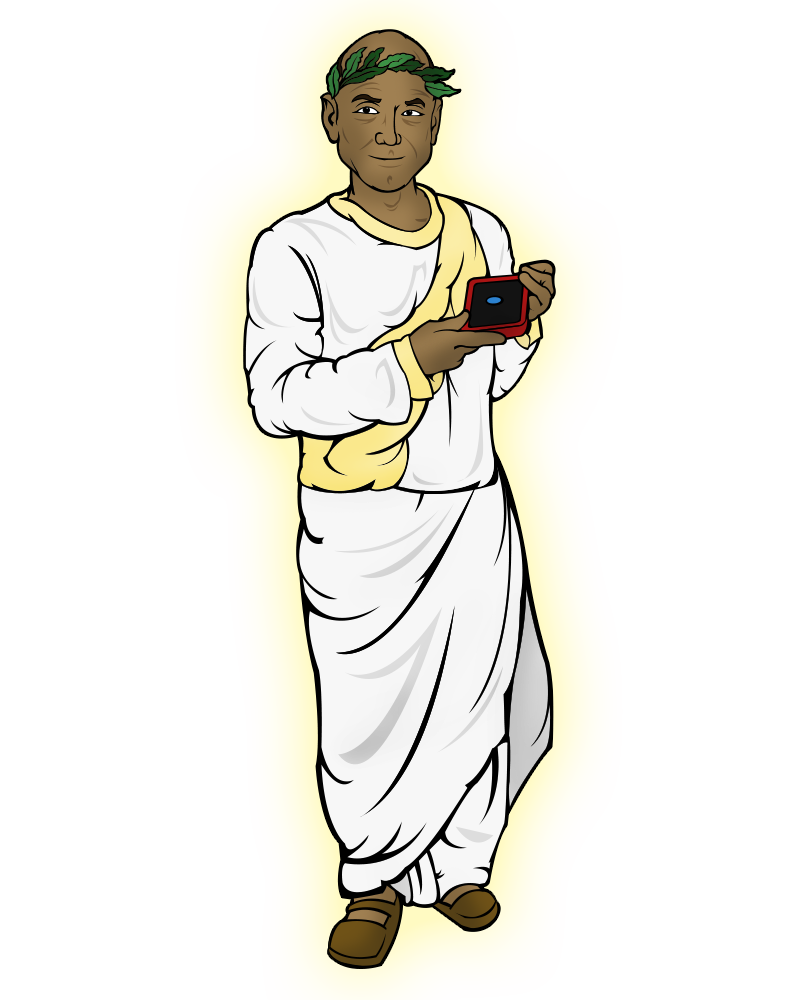
Sextus Aemiliānus est vir nitidus. lūx ā Sextō venit. Sextus lūcet. est mīrābile! sed sōlum Recentiī lūcem Sextī vident. nēmo alius lūcem videt.
Sextus quoque in vīllā māgnā Pompēiīs habitat. fortasse Sextus multam pecūniam habet. fortasse Sextus multam potentiam habet.
Sextus Aemiliānus est senex. Sextus multōs annōs habet. ille capillōs in capite nōn habet. Sextus est calvus! Sextus corōnam hederae in capite gerit. saepe togam candidam gerit.
ille Mīlitēs Lapidis dūcit. Sextus quoque est dūx clārus. Mīlitēs Lapidis populum et Lapidem servant. Marcus Sextō nōn placet quod Marcus potentiam vult.
Sextus saepe auxilium Recentiīs dat.
Visual Walkthrough
KEY-TEXT B
dē Tiberiō
Tiberius est puer bonus. Tiberius Pompēiīs habitat. Tiberius in vīllā māgnā Pompēiīs habitat.
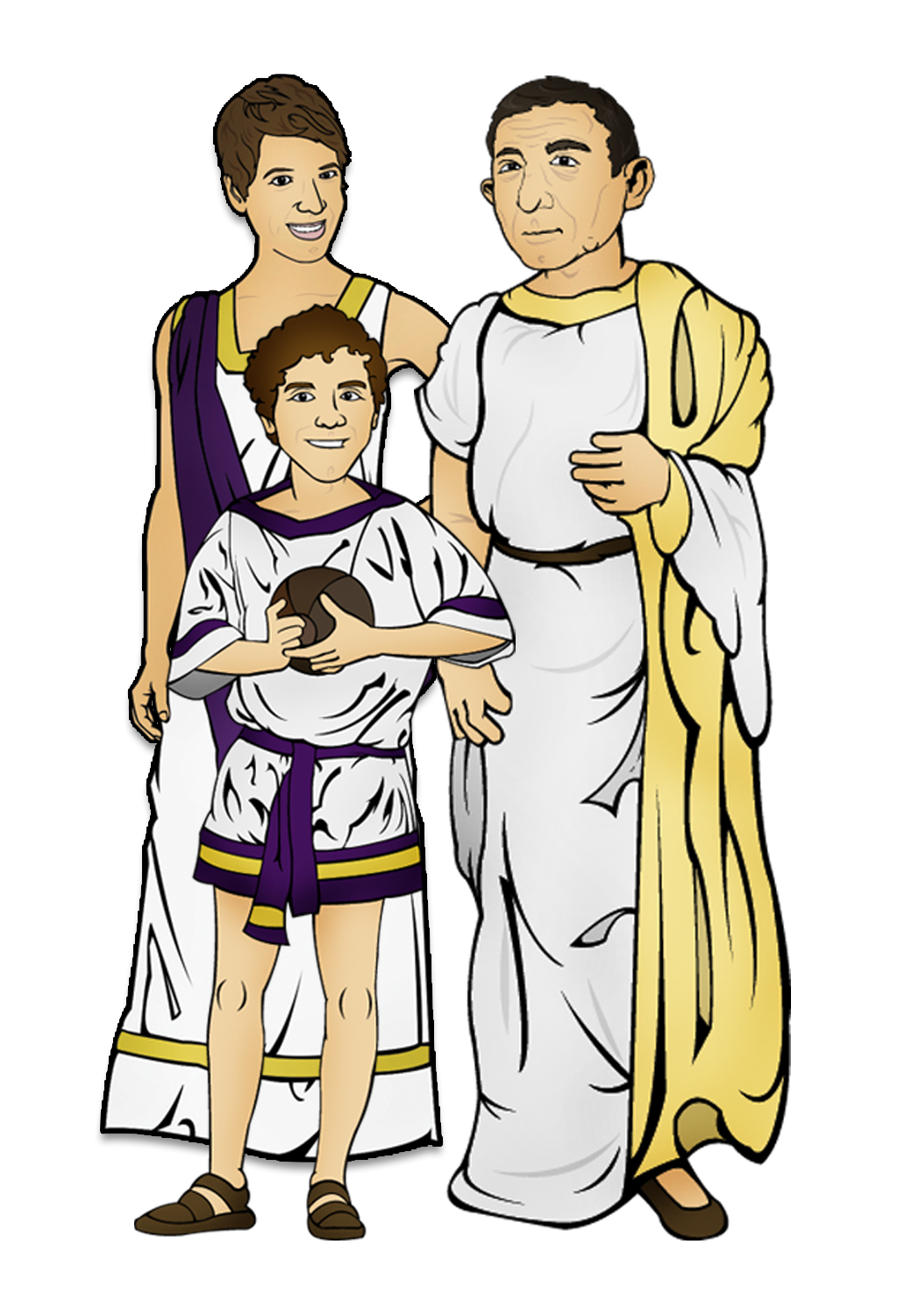
puer patrem habet. puer mātrem habet. puer patrem mātremque habet. Tiberius quoque canem habet.
canis in vīllā nōn habitat. canis prope vīllam in viā dormit. canis saepe latrat atque canis in viā dormit.
puer in viā nōn dormit. Tiberius in vīllā dormit. Tiberius in cubiculō dormit. cubiculum est parvum. cubiculum nōn est māgnum.
cotīdiē Tiberius in ātriō lūdit. Tiberius pilam habet. Tiberius saepe in ātriō pilā lūdit.
pater Tiberiī saepe in tablīnō labōrat. pater Tiberiī est argentārius. pater saepe pecūniam numerat. pater Tiberiī pecūniam amat. pater Tiberiī multam pecūniam habet. nōmen patris est Caecilius.
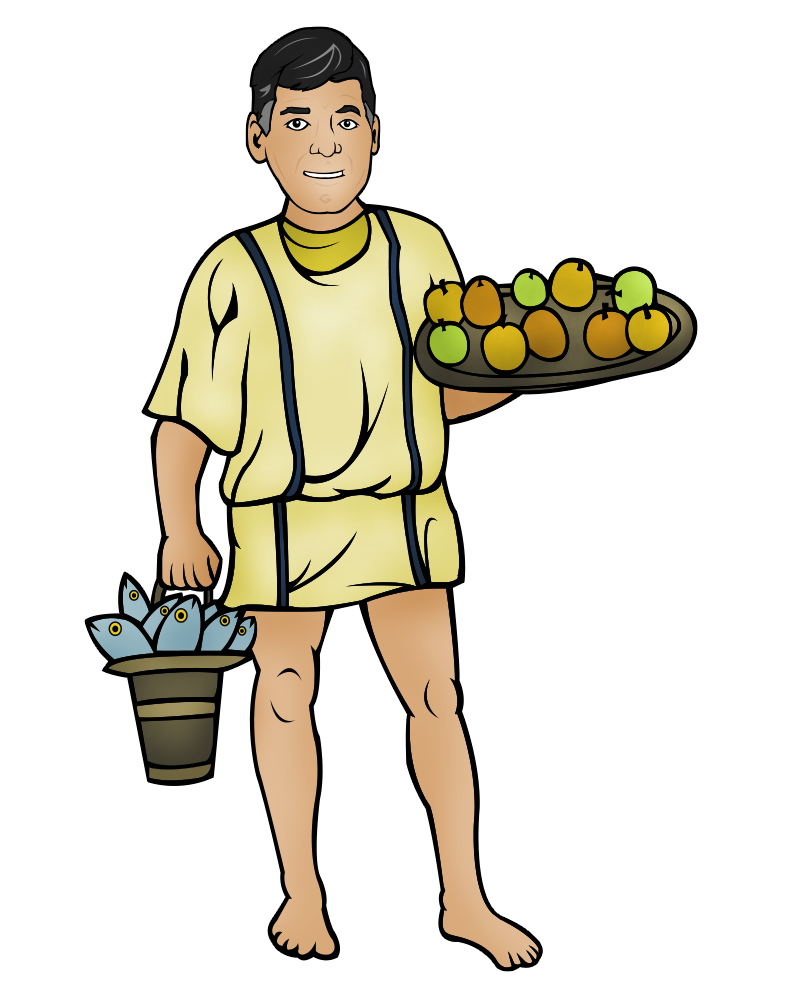
māter Tiberiī saepe in hortō (in peristȳlō) labōrat. hortus multōs flōrēs habet. māter Tiberiī flōrēs amat. māter Tiberiī multōs flōrēs habet. flōrēs multōs colōrēs habent. nōmen mātris est Metella.
familia Tiberiī habet multōs servōs. nōmen servī est Euphorbus. Euphorbus est coquus et in culīnā labōrat. Euphorbus saepe cēnam optimam parat.
ūnō diē, Tiberius ē vīllā exit et ad arborem in agrō currit. Tiberius saepe prope arborem lūdit. arbor est prope Montem Vesuvium. Tiberius saepe montem spectat.
Marcus, malus senex, quoque ad arborem ambulat. Marcus Tiberium quaerit quod Marcus īnfōrmātiōnem vult. Marcus Lapidem vult et saepe dē Lapide cōgitat. Marcus locum Lapidis vult.
Visual Walkthrough
Informational Text A
Domus Rōmāna
domus Rōmāna habet multa conclāvia: ātrium, cubicula, tablīnum, peristȳlium, culīna, et trīclīnium.
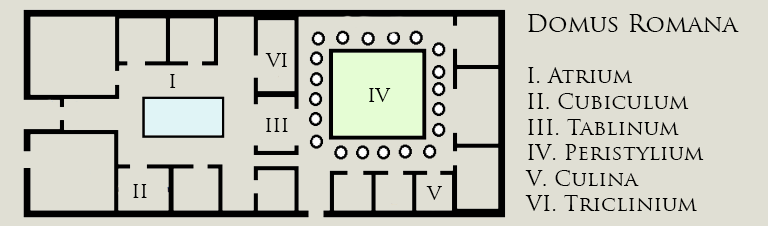
ātrium (I) est prīmum conclāve. familia intrat in ātrium et hospitēs exspectant in ātriō.
in ātriō sunt cubicula (II). in cubiculīs, familia dormit. cubicula nōn sunt māgna. cubicula sunt parva. lectus est in cubiculō. persōna in lectō in cubiculō dormit.
per ātrium est tablīnum (III). in tablīnō, pater familiae labōrat. est mēnsa in tablīnō. sunt multa volūmina in tablīnō. sunt multae tabellae in tablīnō.
prope tablīnum sunt peristȳlium (IV), culīna (V), trīclīnium (VI). in culīnā, servī et servae cibum coquunt. in trīclīniō, familia reclīnat et cibum cōnsūmit.
peristȳlium est hortus in domō. in peristȳliō saepe sunt arborēs et flōrēs et statuae et fontēs.
GRAMMATICA
The subject and the object
Operative, note the role of the ending -m in these pairs of words.
| Subject (nominative) | Direct Object (accusative) |
| charta | chartam |
| malus | malum |
| Lapis | Lapidem |
malus chartam relinquit.
the bad man leaves a map behind: chartam is the object of relinquit.prope saxum
next to the rock: saxum is the object of prope.
In the first example, malus is the subject of the verb relinquit, because the bad man is the one doing the leaving. chartam is the object of relinquit, because the map is the thing being acted upon: the map is what is left behind. In Latin we give the subject an ending called the nominative case, and we give the object an ending called the accusative case.
Operative, you are advised not to get too comfortable with -m. We regret to inform you that -m will be used for several different things (for example, saxum ends in -m in its subject-form too), and that other endings will mark objects as well. For now, it is most important that you be aware that the difference between subject and object is shown in Latin by a difference in endings.
You may find it helpful to watch this short video on the nominative and accusative cases, courtesy of latintutorial.com.
VERBA
| Latin | English | Part of Speech |
| agit | she/he does, drives | verb |
| dat | she/he gives | verb |
| per | through, across | preposition |
| tū | you | pronoun |
| venit | she/he comes | verb |
CULTURALIA
Operative, in this TSTT-immersion the TSTT draws on our knowledge of the Roman town of Pompeii to help you reach your mission objectives.
You will find information about Pompeii through the links in this section, and you are advised to use them as needed to improve your TSTT-attunement. In particular, the Demiurge advises that you learn as much as you can about Roman daily life (what Romans ate, what they wore, what they did all day), so that you can function as efficiently as possible in your immersions. The display of this attunement will be registered by the TSTT and rewarded with additional Latinity Points.
The Demiurge advises that a working knowledge of the structure of the Roman house will be of the utmost importance on several levels. You will need to find your way around a Roman house, locating rooms and the things in them. You will also be called on to think about how the structure of the Roman house relates to the workings of Roman society more broadly. Study the floor-plan diagram carefully and use it as a guide to your actions in the TSTT. Your informational text Domus Rōmāna walks you through the rooms one by one.
The Demiurge also advises that you look more closely at the atrium of the Roman house, and in particular at two of its features: the larārium (the household shrine) and the lectus geniālis (the symbolic marriage-bed). Consider whether modern houses hold anything that serves a similar purpose.
Sextus' villa in the TSTT's version of Pompeii is the very real House of Menander, excavated between 1926 and 1932. Operatives are encouraged to explore the features of this sprawling home.
ATTUNEMENT
Attunement, Episode 1.2
Preview each exercise, then copy it into your own Google Drive to complete it.
1.2.a - Choose the Correct Form
forced-choice · 5 items1.2.b - dē Marcō Sextōque Task
true/false · 10 items1.2.c - Vocabulary in Context
vocab-in-context · 5 items1.2.d - Sort by Ending
form-sort · 13 words1.2.e - Culturalia Questions
culturalia · 3 questions1.2.f - dē Tiberiō Reading Task
reading chart · 6 charactersMemorātiō
reflect · recall your pathWrite this episode into your memorātiō in your own words. Use the questions to test whether your account is complete.
- What did Marcus leave behind in the road, and what did the sign on it show?
- Where did it lead you, and who was waiting in the street outside?
- What did Marcus say Sextus had to give him?
- Who opened the door, and what did you notice about the light around him?
- What did Sextus tell you about the Lapis?
